
Physiotherapy for Sciatica Pain: The Powerful, Non-Surgical Way to Heal
Sciatica pain is not a disease. It’s a symptom. And this is exactly why most treatments fail.
Painkillers, rest, hot packs, and random YouTube exercises only mask the pain for a short time. The nerve stays irritated. The spine mechanics stay broken. The pain keeps coming back.
Physiotherapy works differently. It doesn’t chase pain. It fixes the reason the sciatic nerve is angry in the first place.
This guide explains how physiotherapy for sciatica pain actually works, step by step, using clinical logic, not marketing talk. You’ll understand what causes sciatica, how physio corrects it, what treatments are used, how long recovery takes, and when surgery is truly needed.
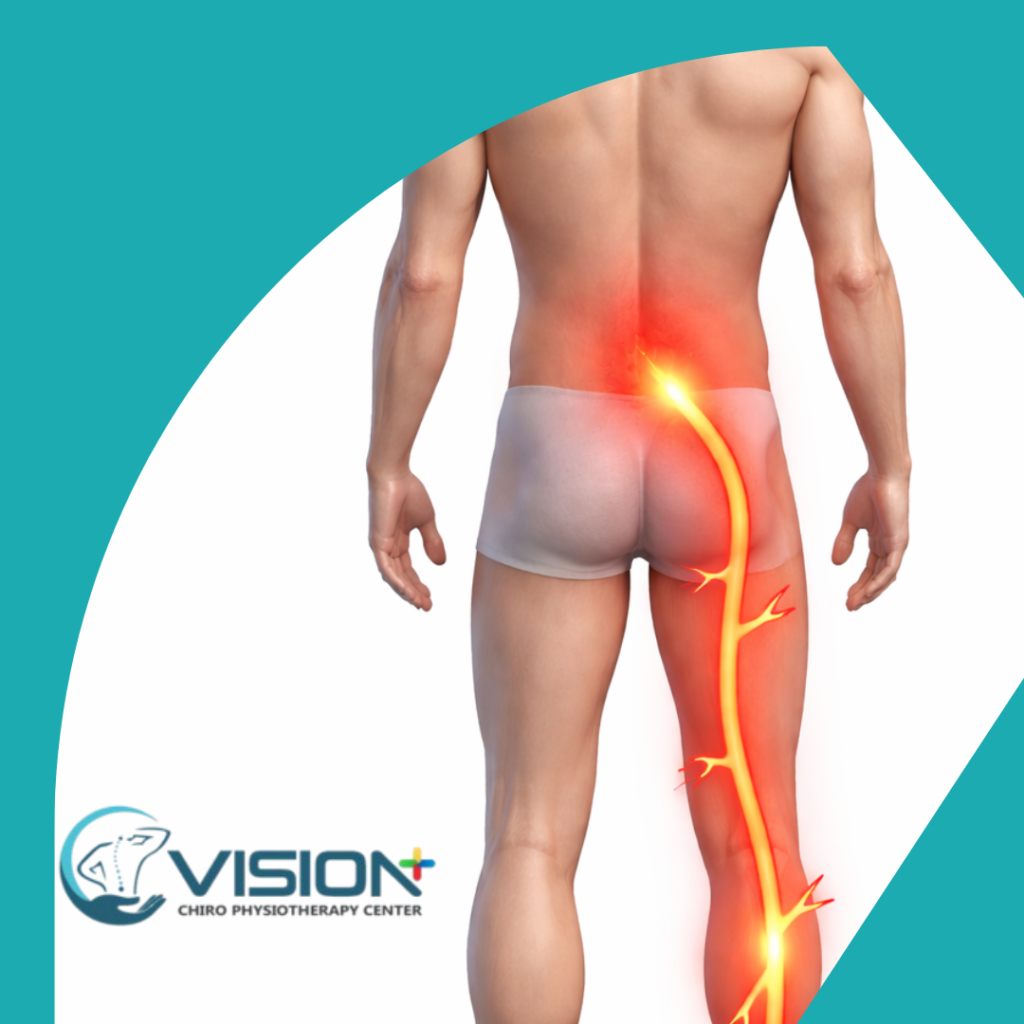
What Is Sciatica Pain ?
The sciatic nerve is the longest nerve in your body. It starts in your lower spine, runs through the buttock, down the back of the thigh, and into the foot. When this nerve gets compressed, stretched, or inflamed, pain travels along its path.
Typical sciatica symptoms include:
- Sharp or burning pain from back to leg
- Tingling or numbness in the leg or foot
- Pain while sitting or bending
- Weakness in the leg
- Pain on one side of the body
The key point: sciatica is almost always mechanical. Something is physically irritating the nerve.
The Real Causes of Sciatica Pain
Physiotherapy works only if the cause is correctly identified. The most common causes are:
1. Disc Bulge or Herniation
A disc presses on the nerve root. This is the most common cause.
2. Tight Piriformis Muscle
A deep buttock muscle compresses the nerve. This is often misdiagnosed.
3. Facet Joint Dysfunction
Spinal joints stop moving properly and irritate nearby nerves.
4. Poor Posture and Core Weakness
Weak core muscles allow excessive spinal stress.
5. Prolonged Sitting and Inactivity
Sitting shortens muscles and increases disc pressure.
6. Nerve Adhesions
The nerve cannot glide freely due to stiffness or scar tissue.
If the root cause isn’t treated, painkillers only delay recovery.
How Physiotherapy for Sciatica pain Actually Works
- Physiotherapy for sciatica pain works by treating the root cause of nerve irritation, not just the pain.
- It starts with a detailed assessment to find where the sciatic nerve is being compressed or irritated.
- Physiotherapy for sciatica pain reduces nerve pressure using manual therapy and controlled spinal movements.
- Pain and inflammation are settled so normal movement can return safely.
- Nerve gliding exercises help the sciatic nerve move freely again.
- Physiotherapy for sciatica pain corrects poor posture and faulty movement patterns.
- Core and hip muscles are strengthened to support the spine properly.
- Daily activities like sitting, lifting, and walking are retrained to avoid nerve stress.
- This approach prevents repeated compression of the sciatic nerve.
- That’s why physiotherapy for sciatica pain provides long-term relief, not temporary pain control.
Step 1: Accurate Assessment (The Most Important Step)
A physiotherapist doesn’t guess. They test.
This includes:
- Posture analysis
- Movement assessment
- Neurological testing
- Muscle strength testing
- Special nerve tests
- Spine mobility tests
This tells exactly where the nerve is irritated and why.
No scan alone can do this. MRI shows structure. Physio testing shows function.
Step 2: Reducing Nerve Irritation (Pain Control Phase)
Pain must reduce before correction can happen. But this is not done with random modalities.
Physiotherapy uses:
- Manual therapy to reduce joint pressure
- Spinal mobilization to open nerve spaces
- Soft tissue release for tight muscles
- Electrotherapy to calm nerve sensitivity
- Positioning techniques to unload discs
This phase reduces inflammation and nerve compression.
Step 3: Nerve Mobilization (Restoring Nerve Movement)
A nerve must glide smoothly. When it gets stuck, pain persists even if the disc heals.
Physiotherapists use nerve gliding exercises to:
- Restore nerve mobility
- Reduce sensitivity
- Improve blood flow to the nerve
- Prevent chronic sciatica
This is one of the most ignored yet critical parts of treatment.
Step 4: Correcting Spinal Mechanics
Most sciatica returns because the spine still moves incorrectly.
Physiotherapy corrects
- Poor bending patterns
- Excessive lumbar strain
- Pelvic imbalance
- Weak stabilizing muscles
This is done through targeted exercises, not generic stretches.
Step 5: Strengthening the Core (Long-Term Fix)
The spine is like a tent pole. If the ropes are weak, it collapses.
Core strengthening includes:
- Deep abdominal muscle activation
- Glute strengthening
- Back stabilizers training
- Pelvic control exercises
This prevents future nerve compression.
Step 6: Posture, Sitting, and Daily Activity Correction
Your exercises mean nothing if your daily habits undo them.
Physiotherapy includes:
- Sitting correction
- Sleeping position advice
- Lifting technique training
- Workstation setup
- Driving posture
This is what stops recurrence.
Treatments Used for Sciatica
Manual Therapy
Hands-on techniques to restore joint and muscle mobility.
Spinal Mobilization and Manipulation
Gentle movements to reduce nerve pressure.
Nerve Gliding Exercises
Restore nerve mobility and reduce pain sensitivity.
Core Stabilization Exercises
Prevent future disc or joint stress.
Stretching of Tight Muscles
Especially hamstrings, hip flexors, and piriformis.
Electrotherapy
Used only in the acute phase for pain control.
Dry Needling (If Needed)
For muscle spasm related sciatica.
What Physiotherapy Does That Painkillers Cannot
- Mask symptoms
- Delay recovery
- Create dependency
- Don’t fix mechanics
Physiotherapy:
- Fixes the root cause
- Restores movement
- Prevents recurrence
- Builds long-term resilience
This is why sciatica treated with physiotherapy has a much lower recurrence rate.
How Long Does Physiotherapy Take to Work?
This depends on severity and cause.
- Mild sciatica: 1–2 weeks
- Moderate sciatica: 3–6 weeks
- Severe sciatica: 6–12 weeks
Consistency matters more than intensity.
Can Physiotherapy Avoid Surgery?
In most cases, yes.
Studies show over 85% of sciatica cases improve without surgery when treated properly with physiotherapy.
Surgery is only needed if:
- There is progressive weakness
- Loss of bladder or bowel control
- Severe nerve damage
- Pain does not improve after 8–12 weeks of structured therapy
Common Mistakes That Slow Sciatica Recovery
This is where people ruin their own progress.
- Resting too much
- Doing random online exercises
- Ignoring posture
- Stopping physio early
- Avoiding movement out of fear
- Only using pain relief treatments
Sciatica heals with controlled movement, not rest.
What Exercises Are Best for Sciatica?
There is no universal exercise. It depends on the cause.
But commonly used ones include:
- McKenzie extension exercises (for disc issues)
- Piriformis stretch (for muscle compression)
- Core activation drills
- Hip mobility work
- Nerve gliding movements
A physiotherapist decides which are safe for your case.
When Will I Feel Normal Again?
When:
- Pain is gone
- Strength is restored
- Movement is controlled
- Posture is corrected
Pain disappearing is not the end. Function returning is the real goal.
Frequently Asked Questions
Can physiotherapy cure sciatica permanently?
Yes, if the root cause is corrected and exercises are continued. Most recurrences happen due to poor habits, not failed treatment.
Can I do physiotherapy at home?
Some exercises can be done at home, but assessment and progression must be guided by a professional.
Can sciatica come back after physiotherapy?
Only if posture, strength, and habits are ignored. Maintenance exercises prevent recurrence
Final Word
Sciatica pain does not go away on its own by waiting, resting, or masking it with painkillers. It goes away when the real cause is identified and corrected with proper physiotherapy. The earlier you start, the easier and faster the recovery is. Delaying treatment only allows nerve irritation to become chronic and harder to reverse.
If you’re dealing with back pain that radiates into your leg, numbness, tingling, or weakness, don’t ignore it. Get it assessed properly and fix it at the root.
Book your physiotherapy consultation today.
A structured, evidence-based treatment plan can reduce your pain, restore movement, and help you avoid surgery.
📞 Call us now to schedule your appointment
📍 Visit our clinic for a detailed assessment
💬 Start your recovery with expert-guided physiotherapy, not guesswork
The sooner you act, the faster you heal.